How Long to Cure Soy Candles Before You Burn Them (And Why Rushing It Ruins the Scent)
Share
What Curing Actually Does to Soy Wax
When you blend fragrance oil into melted soy wax, the oil doesn't just sit there — it has to bind with the wax molecules. Soy wax is porous and crystalline, and as it cools and rests, those crystal structures keep shifting and tightening for days after the pour. Fragrance oil molecules get trapped more securely in that structure the longer it sits.
Cure too little and a good portion of your fragrance oil is still sitting loosely on the surface or unevenly distributed through the wax, which is exactly why a freshly poured candle can smell strong in the jar but weak once lit. The scent you smell cold isn't the scent you get hot — curing is what closes that gap.
How Long Should You Really Wait?
For most single-pour soy candles, plan on curing 1 to 2 weeks before the first burn. Here's a rough breakdown:
- 3–4 days: The bare minimum — wax has set, but fragrance is still migrating. Cold throw will be inconsistent.
- 7 days: Noticeably better. Most lighter, citrus-forward blends are usable here.
- 10–14 days: The sweet spot for most fragrance loads, especially anything woody, resinous, or musky.
- 3+ weeks: Worth it for heavy, complex blends — think something in the vein of Egyptian Amber, where sandalwood, leather, and patchouli need extra time to fully settle into the wax.
Fragrance oils with a lot of vanillin or heavier base notes (amber, musk, coffee) generally need the long end of that range. Brighter, simpler oils — citrus, clean linen, light florals — cure faster because there's less going on molecularly.
How to Tell When a Candle Is Fully Cured
Skip the guesswork with a simple two-part test:
- The lid test: Snap a lid on the jar for an hour, then open it and smell immediately. If the scent hits you the moment the lid comes off, cold throw is strong and cure is likely far enough along.
- The small burn test: Light the candle for 30–45 minutes after the minimum cure window. If hot throw is faint, give it another week and retest. Don't judge a whole batch off day 3.
It also helps to label your jars with the pour date the moment you finish a batch. It sounds obvious, but it's the single easiest way to stop yourself from jumping the gun out of excitement — and trust us, everyone jumps the gun on a candle they're proud of.
What Happens If You Burn Too Early
Burning before a candle has cured doesn't just mean weaker scent — it can actually waste fragrance oil permanently. Wax that hasn't finished absorbing the oil will release more of it as unburned vapor near the wick rather than true fragrance throw, which is part of why an under-cured candle can smell "off" or faint even though you used a generous fragrance load.
There's also a compounding effect: the first burn matters more than people realize, because it sets the memory pool (the melted wax reservoir the wick will pull from for the rest of the candle's life) partially locked in the fragrance concentration of the wax at that moment. Burn early, and you're locking in a weaker profile than the candle was capable of.
Curing Tips for Better Hot Throw
- Cure at room temperature — not in a hot car, near a sunny window, or in a cold garage. Big temperature swings can cause uneven fragrance migration.
- Keep the lid loosely on (not airtight) for the first day or two so any trapped moisture from cooling can escape, then seal it for the rest of the cure.
- Batch by fragrance, not by pour day, so you're not tempted to test a heavy blend on the same day-count as a light one.
- Trust the earthy, complex scents most — something layered like Soul Meditation, with patchouli and rose over dry woods, genuinely transforms between day 3 and day 14.
If you're testing fragrance loads as you go, a gourmand scent like Coffee & Cacao is a great benchmark — espresso and cocoa notes are easy to smell clearly once fully cured, so you'll know right away if your fragrance percentage was too light.
Quick Takeaways
- Cure soy candles for at least 1–2 weeks before burning; heavier, resinous blends benefit from 3+ weeks.
- The lid test and a short trial burn are the most reliable ways to check if a candle is ready.
- Burning too early can permanently lock in a weaker scent throw, not just a temporarily faint one.
- Cure at stable room temperature, and label pour dates so you're not guessing.
- Patience pays off most with complex, heavy fragrance profiles.
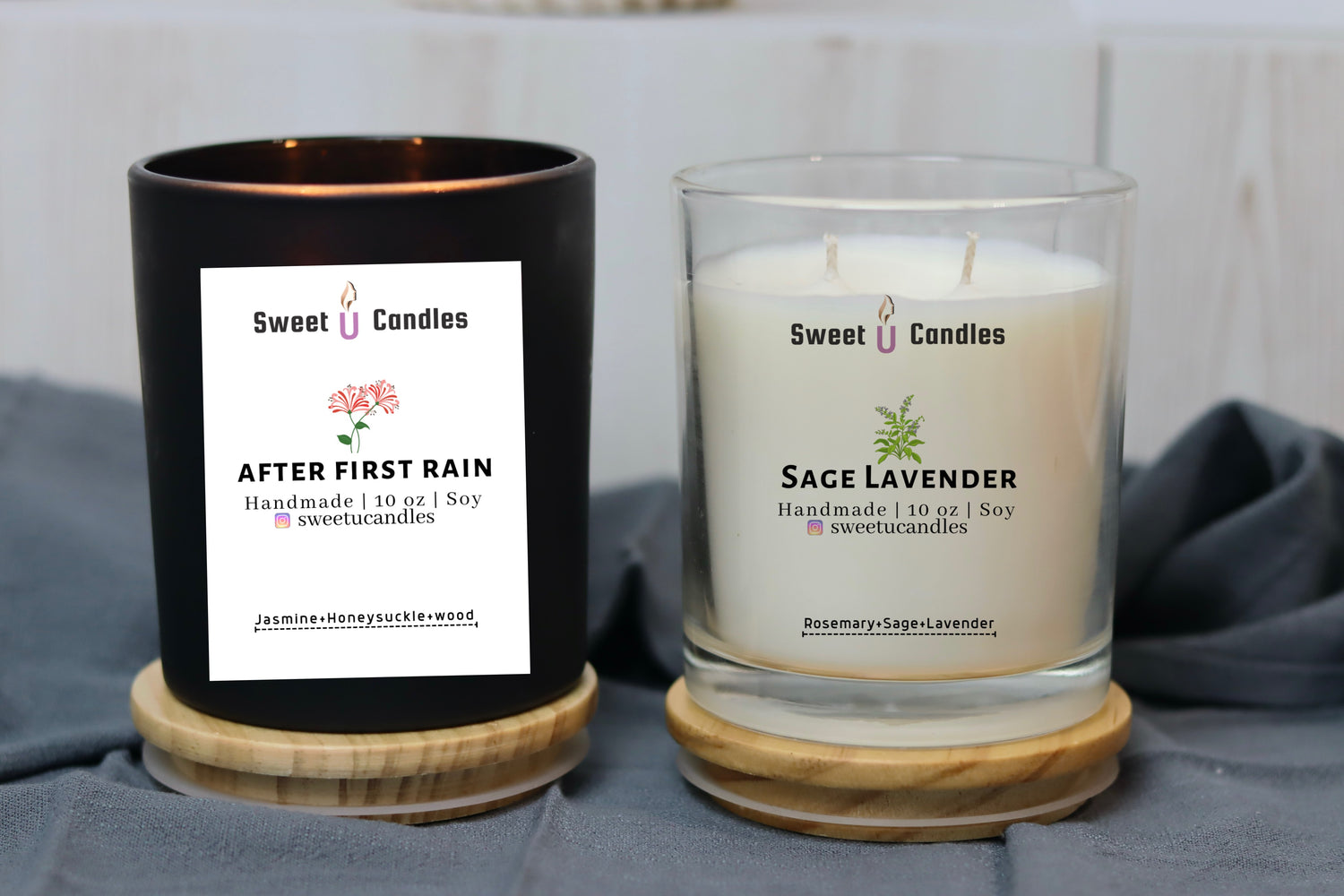
Curing is the least glamorous part of candle making and also the most important — it's the quiet work that makes everything else you did in the pour actually show up when the wick is lit. We build that same patience into every batch at Sweet U Candles, because a candle that smells amazing cold and disappoints when lit isn't really finished yet. Give your next batch the time it deserves, and the fragrance will thank you for it.