Cotton vs. Wooden Wicks: Which Is Better for Homemade Candles?
Share
You pour a beautiful candle, wait patiently, light it, and then it either drowns, tunnels, or smokes like a campfire. Nine times out of ten, the wick is the culprit. Here's how cotton and wooden wicks really compare, so you can pick the right one for your next batch.
How cotton and wooden wicks work
A cotton wick is a braided or flat-woven cord that pulls melted wax up by capillary action and feeds it to the flame. It's been the standard for generations, which is why you'll find it in nearly every candle supply catalog. Wooden wicks do the same job with a thin strip of wood (usually cherry, maple or a similar hardwood). Because the flame sits along a wide, flat edge instead of a single point, you get a broader, shorter flame and that soft crackling sound people love.
Neither is "better" across the board. They behave differently, and each rewards a different kind of maker.
Cotton wicks: the reliable workhorse
If you're new to candle making, start here. Cotton wicks come in dozens of sizes and styles (flat braid, square braid, cored, and more), and there are plenty of published guides that match a wick series to jar diameter and wax type. That means less guesswork, and when something goes wrong you can usually diagnose it with a simple trim or a size change.
A few things to know:
- They self-trim better than you'd expect. Many braided cotton wicks curl slightly as they burn, which helps keep the flame tidy. You should still trim to about 1/4 inch before each burn.
- They handle fragrance well. Heavier fragrance loads can clog a wick, but a properly sized cotton wick keeps a clean melt pool and good scent throw.
- They're forgiving across containers. From 6 oz jars to wide 3-wick vessels, there's a cotton wick that fits.
The downside: the wrong size shows up fast. Too small and you get tunneling. Too large and you get a tall flame, soot, and a hot jar. If you want a deeper look at sizing, our wick size guide in the Journal walks through it.
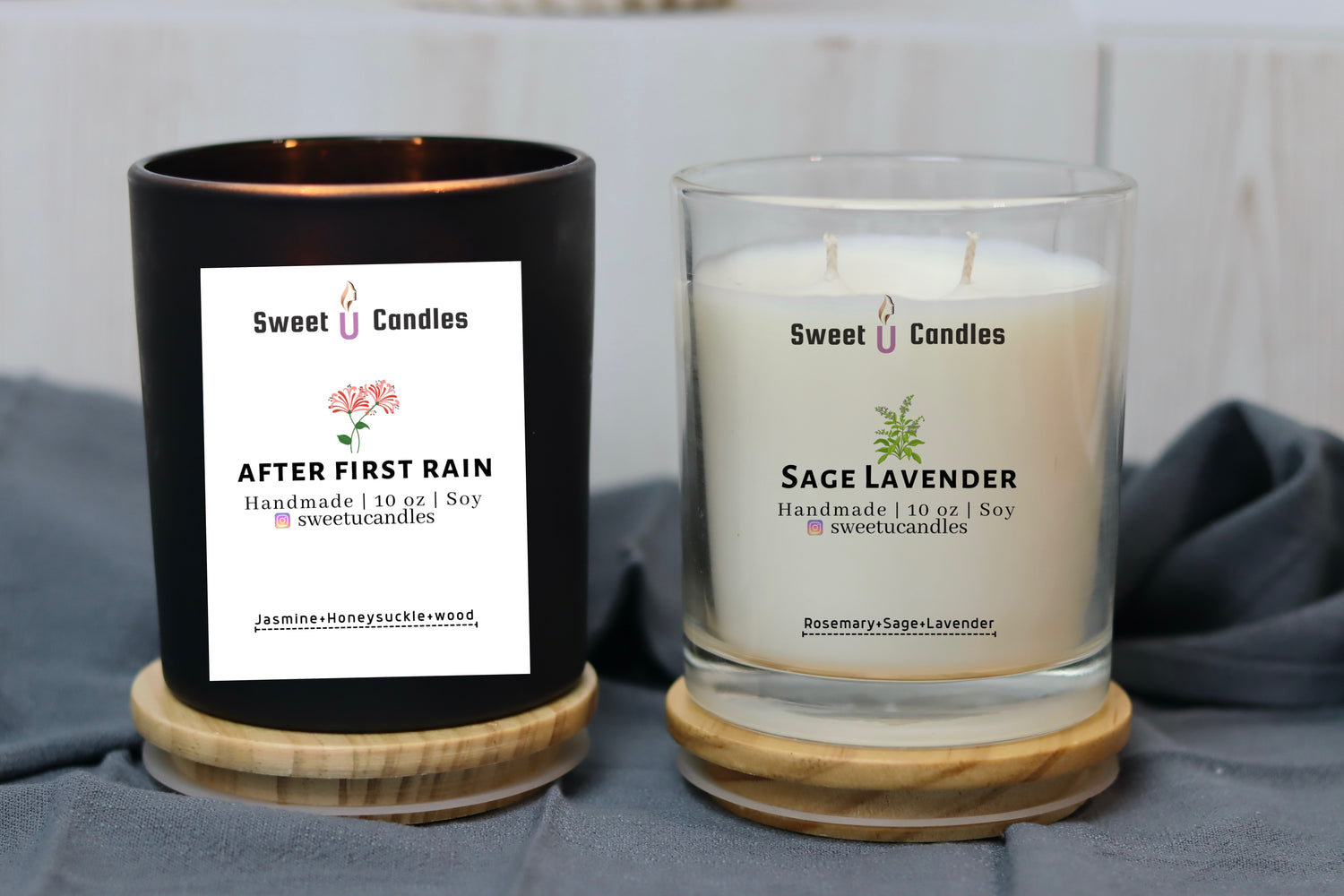
It's also the choice we make at Sweet U Candles: our soy candles, like Lazy Morning with its sweet orange, cherry and vanilla bean, burn on lead-free cotton wicks.
Wooden wicks: the cozy, crackling option
Wood wicks deliver the fireplace vibe. The wide flame melts a generous pool of wax, which can mean strong scent throw in the right candle, and the crackle is genuinely lovely on a quiet evening. A scent like Fraser Fir, with its pine, balsam and cedar, is exactly the kind of fragrance people imagine pairing with a crackling flame.
They are fussier to work with, though:
- Sizing is touchy. A little too wide and the flame gets large and smoky. A little too narrow and it keeps going out.
- They need a clean, flat top. Wood wicks like a smooth wax surface and a trimmed, even tip. Burnt, crumbly char should be snipped off before relighting.
- Relighting can be a chore. If the flame drowns out, you may need to dig the tip clear of wax first.
- Wax matters. Soy and blended waxes work, but many makers test several wood wick series before one burns cleanly in their wax and jar.
How to choose for your next batch
Ask yourself three questions. First, how much testing am I willing to do? Cotton gets you a good candle faster; wood usually takes more test burns. Second, what's the container? Narrow jars are friendly to both, while very wide vessels often work well with wood because of the wide flame. Third, what experience do I want? If it's reliable, quiet, everyday burning, choose cotton. If it's ambience and crackle, choose wood and budget for testing.
Whichever you pick, test one candle fully before pouring a dozen. Burn it in 3 to 4 hour sessions and check three things: a full melt pool edge to edge by the end of each burn, a steady flame with no flickering or mushrooming, and a jar that's warm but not too hot to touch. Write down the wick series, wax, fragrance load, and what you saw.
Quick takeaways
- Cotton wicks are the easiest starting point, with the most sizing guidance and the most forgiving burn.
- Wooden wicks give you crackle and a broad flame, but they take more testing and care.
- Always size the wick to your jar diameter and wax, not to a favorite brand or a hunch.
- Trim cotton to about 1/4 inch and clear char from wood wicks before each burn.
- Do a full test burn before you commit to a batch.
Candle making is part science and part patience, and the wick is where both meet. If you'd rather skip the testing and just enjoy a great burn, you'll find our hand-poured soy candles waiting at Sweet U Candles. Happy pouring!